All dockets / Power Loss & Electrical / RD-2026-007
You're Not Crazy—Teslas Recalled For Excessively Bright Headlights
- Docket No.
RD-2026-007- Filed
- 2026-08-12
- Manufacturer
- Multiple
- Hazard class
- Power Loss & Electrical
- Units cited
- 18,735
- Reported by
- Staff
Summary
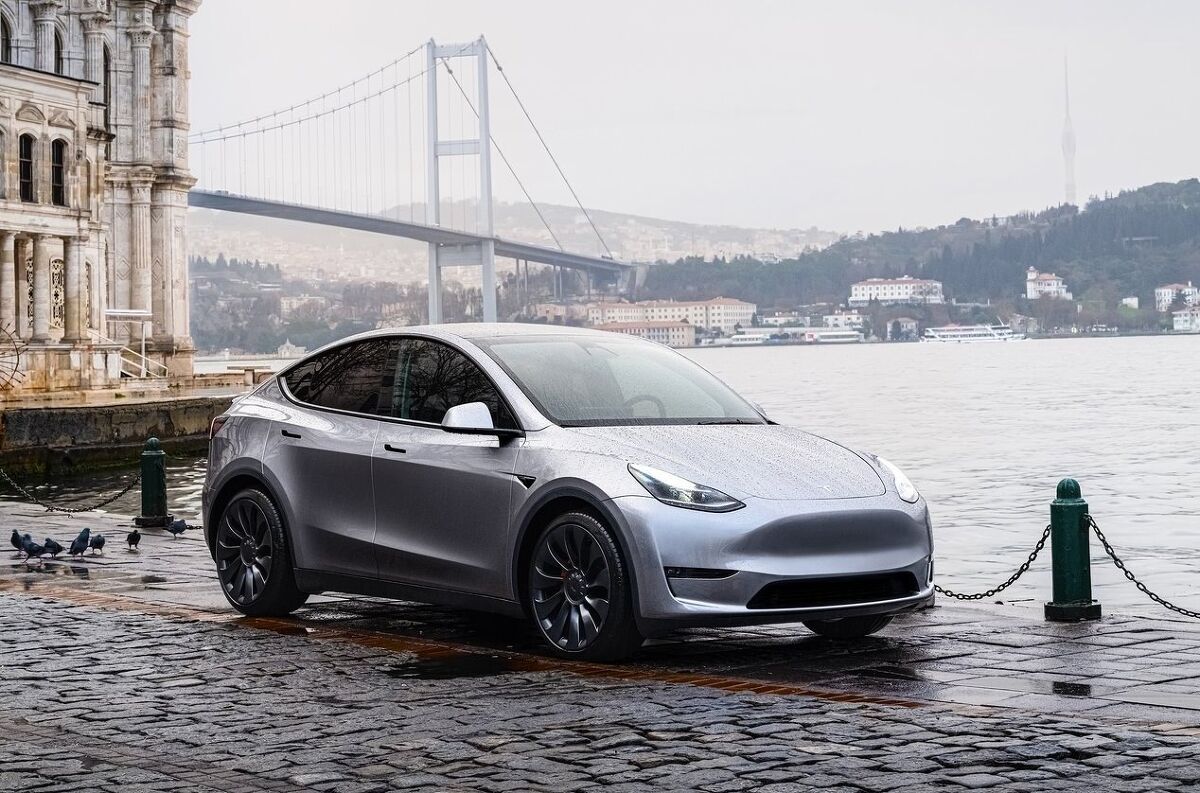
Tesla has issued a safety recall for 20,349 electric vehicles across its Model 3 and Model Y lineups because their factory low-beam headlights exceed federal maximum brightness limits.
Affected Tesla Vehicles and Defect Details
The campaign impacts certain 2017–2023 Model 3 sedans and 2020–2023 Model Y crossovers. According to National Highway Traffic Safety Administration (NHTSA) documentation, the low-beam headlamps—supplied by Marelli Automotive Lighting—produce light output in outer upper zones that exceeds maximum intensity thresholds set by Federal Motor Vehicle Safety Standard (FMVSS) No. 108.
Excessively bright low beams can produce intense glare for oncoming traffic, reducing visibility for other road users and increasing the risk of a crash. The issue covers 18,735 Model Y units and 1,614 Model 3 vehicles, primarily built or serviced with specific headlamp assemblies before early May 2024.
Tesla's Remedy Plan
The recall follows a petition filed by Tesla seeking a waiver from federal regulators, claiming the brightness discrepancy was inconsequential to real-world motor vehicle safety. The NHTSA formally rejected Tesla's exemption request, prompting the formal recall campaign under reference code SB-24-17-003.
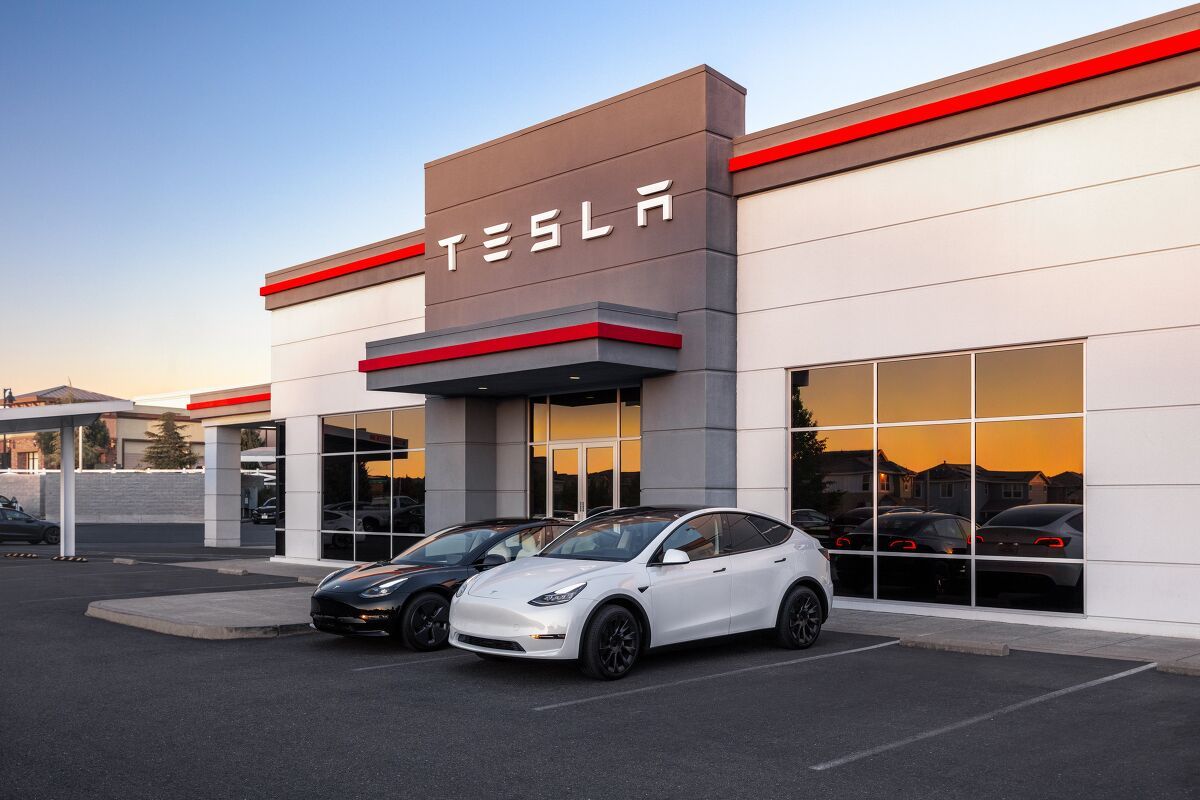
Tesla is currently developing a physical or mechanical remedy, as the brightness output cannot be resolved solely through an over-the-air software update. Official notification letters are scheduled to be mailed to affected owners on September 15, 2026. Owners seeking immediate clarification can reach Tesla customer service at 1-877-798-3752 or look up their Vehicle Identification Number (VIN) on the NHTSA recall database under campaign number 26V507000.